

The scope of a control systems integrator’s activities includes the design, implementation, and coordination of various elements within automation systems. One of their key responsibilities is developing the automation system architecture, selecting appropriate components such as PLCs, actuators, operator panels, and communication networks, and integrating them with the existing technological and IT infrastructure.
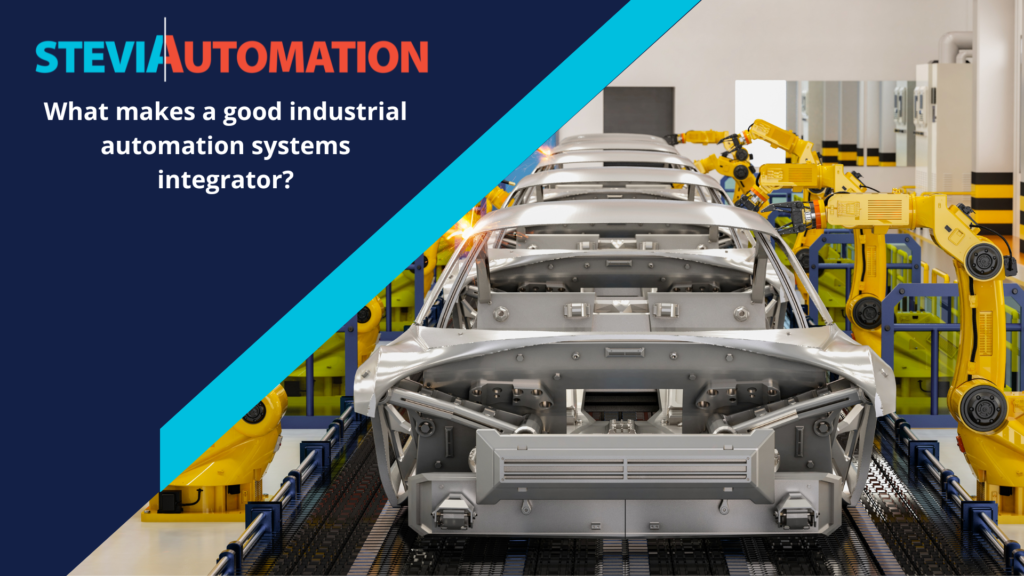
What makes a good industrial automation systems integrator?
The integration process also involves software configuration, device parameterization, system commissioning, and functional testing. The integrator is responsible for ensuring compatibility among all components—regardless of the manufacturer—so that the entire system functions as a cohesive, scalable, and secure solution. In practice, integrators may be specialized engineering firms, automation technology manufacturers, or distributors with in-house implementation departments.
What does the work of an industrial automation systems integrator look like?
The work of a systems integrator begins as early as the conceptual phase of a project. Engineers identify and assess the client’s needs in order to select the appropriate resources and determine the scope of services to be provided. Once the project is approved, the industrial automation systems integrator installs hardware, programs PLCs, configures visualization systems, and connects new components with higher-level systems such as SCADA or WMS.
An integrator’s role is not limited to the initial automation implementation—it also extends to system development and expansion over time. In our projects, we provide services such as PLC programming, electrical design in EPLAN, commissioning, and post-commissioning support. The work of an industrial automation systems integrator is characterized by project oversight across all phases—from selecting the right concept and defining project activities, through commissioning tests, to personnel training and ongoing service support during system operation.
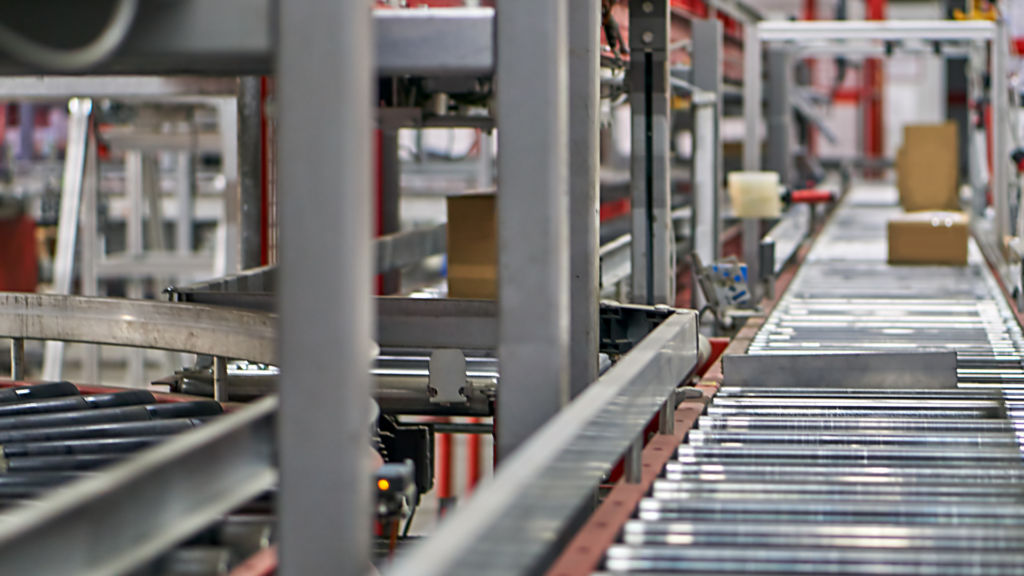
Integration vs. Automation of Industrial Systems
The integration of machines with control systems can be considered one of the foundations of automation. This type of integration occurs both when a company plans to modernize its existing machinery and equipment, as well as when implementing new automation solutions within a facility. Every new machine in a production or warehouse system must be integrated with the IT system to enable efficient automated goods flow and identification.
The automated industrial systems we most often work with are characterized by a high degree of process repeatability. These include operations such as logistics, and production in the food, chemical, and automotive industries. In such environments, automation is continuously expanding to meet the growing demand for fast product delivery.
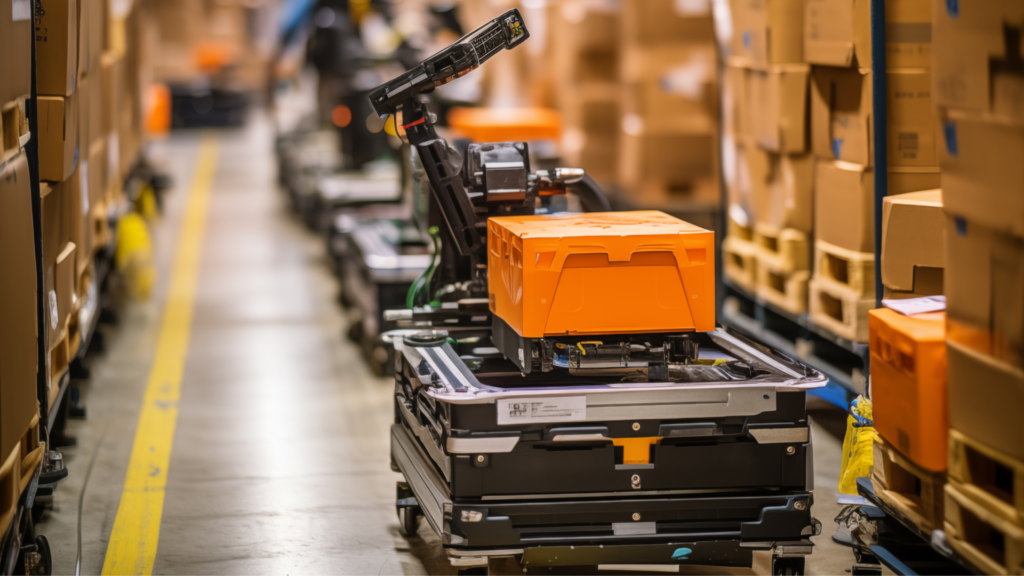
How to recognize the need to choose your industrial automation systems integrator?
The need for ongoing cooperation with a control systems integrator arises when multiple types of modern technologies are used within a single facility, and when complex processes require numerous automated systems. The integrator oversees the proper functioning of these systems and assists in selecting new concepts.
Working with an integrator results in greater process stability, improved control, and compliance with all applicable technical standards and safety regulations. By establishing such a partnership, a business ensures flexibility in implementing customized solutions and gains access to continuous support for the implemented systems.
What are the key factors to consider when selecting an automation systems integrator?
Industrial automation system integrator services are particularly beneficial for companies planning to modernize their machinery, implement new production lines, or integrate control systems with their IT infrastructure. This applies both to large industrial plants and medium-sized manufacturing companies seeking to increase automation levels, improve operational efficiency, and gain better control over their processes. These solutions are especially valuable in industries with a high degree of process repeatability, such as food processing, chemicals, automotive, and logistics.
Executing industrial automation projects requires not only the right technologies but also the careful integration of all production infrastructure elements into a cohesive system. Choosing the right control systems integration partner is crucial, as they are responsible for designing and implementing solutions tailored to the actual operating conditions of the facility. This cooperation translates into higher process stability, improved production control, and compliance with technical and safety standards.
When selecting an automation systems integrator, it’s important to consider their experience with projects of similar scale and technological complexity. Proven expertise should be supported by certifications, hardware vendor authorizations, and positive references from industry clients. It’s also essential to assess the range of services offered—does the integrator provide support throughout the entire project lifecycle, including analysis, design, implementation, and after-sales service?
Flexibility in implementing customized solutions and familiarity with relevant technical and safety standards are additional key factors to consider. Equally important are clear communication, transparency, and well-defined responsibilities at every stage of the collaboration.
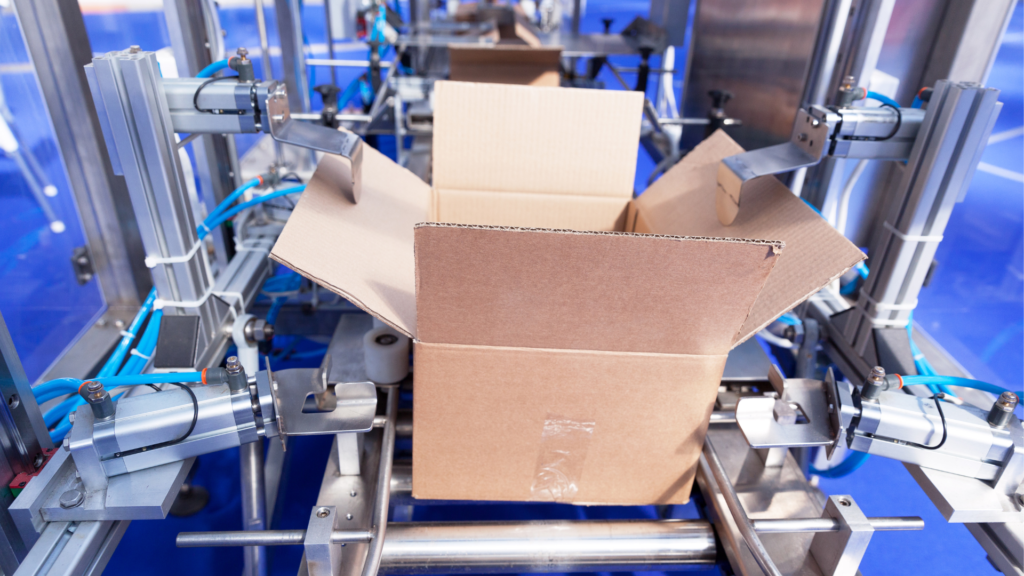
In summary, an automation systems integrator acts as a coordinator of the automation process within the company. It’s worth choosing an integrator with a proven track record of successful implementations in the same or a similar industry. Such an integrator can realistically assess the feasibility of a project, identify its potential benefits, and mitigate possible risks early on. Therefore, the integrator becomes an essential element of a smooth and effective automation journey.
At Stevia Automation, we are an experienced industrial automation systems integrator. For over 15 years, we have been delivering projects in industries such as intralogistics, automotive, food processing, and more. We specialize in integrating machines, vision systems, and automation components, such as conveyors and stacker cranes with the client’s IT systems, adapting data exchange to meet specific operational needs. Get in touch with us and choose the automation concept that fits your business best.